


Possumic 60GHz RS6 Series mmWave Radar
Development Kit & SDK Now Available!


RS2111- Tailored Solutions for Your Needs
The RS2111 Series 24GHz mmWave SoCs
Now Available!


Advantages of mmWave Radar
Why Is mmWave Radar Driving the Evolution of Sensing Technology?
Four key advantages: Precision Measurement, All-Weather Reliability, Privacy Protection, Contactless Sensing
-
 Precision MeasurementPrecision MeasurementLeveraging high-frequency electromagnetic waves (1-10mm wavelength), mmWave radar enables accurate measurement of distance, velocity, and angle.. Narrow wavelengths ensure fine resolution between adjacent objects,, while wide bandwidth supports millimeter-level ranging accuracy and detection of micro-movements even in complex conditions.
 -
 All-weather OperationAll-weather OperationmmWave signals penetrate rain, fog, and heavy haze weather, maintaining stable performance in extreme temperatures (-40°C to 85°C). Unlike optical or infrared sensors, its detection capability remains unaffected by day/night cycles or severe weather, delivering 24/7 performance for outdoor and traffic applications.
 -
 Privacy ProtectionPrivacy ProtectionBy analyzing reflected electromagnetic waves rather than capturing visual data, mmWave radar enabling detection of posture and vital sign monitoring without compromising privacy. This makes it ideal for sensitive applications like smart homes and healthcare, eliminating the privacy risks associated with cameras.
 -
 Contactless SensingContactless SensingOur non-contact detection technology uses reflected mmWave signals to penetrate materials like plastic, fabric, and bedding. Particularly valuable in healthcare monitoring and public touchless interfaces, this solution combines operational convenience with hygienic safety by eliminating physical contact.
Precision Measurement
Leveraging high-frequency electromagnetic waves (1-10mm wavelength), mmWave radar enables accurate measurement of distance, velocity, and angle.. Narrow wavelengths ensure fine resolution between adjacent objects,, while wide bandwidth supports millimeter-level ranging accuracy and detection of micro-movements even in complex conditions.
All-weather Operation
mmWave signals penetrate rain, fog, and heavy haze weather, maintaining stable performance in extreme temperatures (-40°C to 85°C). Unlike optical or infrared sensors, its detection capability remains unaffected by day/night cycles or severe weather, delivering 24/7 performance for outdoor and traffic applications.
Privacy Protection
By analyzing reflected electromagnetic waves rather than capturing visual data, mmWave radar enabling detection of posture and vital sign monitoring without compromising privacy. This makes it ideal for sensitive applications like smart homes and healthcare, eliminating the privacy risks associated with cameras.
Contactless Sensing
Our non-contact detection technology uses reflected mmWave signals to penetrate materials like plastic, fabric, and bedding. Particularly valuable in healthcare monitoring and public touchless interfaces, this solution combines operational convenience with hygienic safety by eliminating physical contact.
Redefining Frontiers, Souling Technology

Ultra-Low Power
Flexible Installation Without Wiring Constraints
Our mmWave Radar Sensors feature groundbreaking power efficiency, operating on minimal electricity to support battery-powered devices, which makes them ideal for flexible placement—from indoor corners to outdoor gardens,They deliver intelligent sensing capabilities wherever needed, with no wiring required.

Superior Detection
Full Yard Coverage, Weatherproof Performance
With industry-leading detection capabilities, our chips monitor entire outdoor spaces while maintaining precision through storms and extreme weather. Whether under blazing sun or heavy rain, they deliver reliable sensing to protect your safety and convenience.

Developer-Friendly
Easy for Beginners
We've radically simplified development with optimized hardware interfaces and intuitive software tools. Our streamlined environment reduces initial costs and enables rapid prototyping, making advanced sensing capabilities accessible even to beginners. There are no technical barriers to innovation..
-
Ultra-Low PowerFlexible Installation Without Wiring Constraints
Our mmWave Radar Sensors feature groundbreaking power efficiency, operating on minimal electricity to support battery-powered devices, which makes them ideal for flexible placement—from indoor corners to outdoor gardens,They deliver intelligent sensing capabilities wherever needed, with no wiring required.
-
Superior DetectionFull Yard Coverage, Weatherproof Performance
With industry-leading detection capabilities, our chips monitor entire outdoor spaces while maintaining precision through storms and extreme weather. Whether under blazing sun or heavy rain, they deliver reliable sensing to protect your safety and convenience.
-
Developer-FriendlyEasy for Beginners
We've radically simplified development with optimized hardware interfaces and intuitive software tools. Our streamlined environment reduces initial costs and enables rapid prototyping, making advanced sensing capabilities accessible even to beginners. There are no technical barriers to innovation..
We are Changing Diverse Industries
Possumic mmWave Radar Sensors are widely used in smart security, smart home, smart automotive, smart industrial, and other fields.


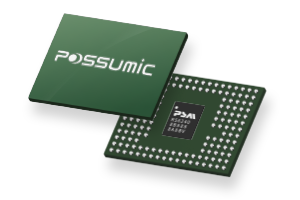
Extraordinary Chips for You
Every Possumic chip embodies the ultimate pursuit of quality and infinite respect for innovation.



Join Developer Community
Explore the Infinite Possibilities of mmWave Technology Together
-

Pioneering mmWave Innovation: Possumic Debuts 4μA & 24 GHz intelligent Sensing SoC
2024-12-05 -

[Funding] Possumic Secures Nearly RMB 100 Million in Series A to Accelerate Mass Production and Market Expansion of mmWave Intelligent Sensing Chips
2024-12-04 -

Possumic Launches Low-Power, Anti-Interference, Long-Range 4D mmWave Radar SoC, Enabling Deep Intelligence Across All Scenarios
2024-08-28 -

World's First: 10μA-Class Single-Chip “60GHz mmWave Radar + Multi-Protocol Wireless Smart Sensor” Combines High Performance with Ultra-Low Power
2024-04-22